
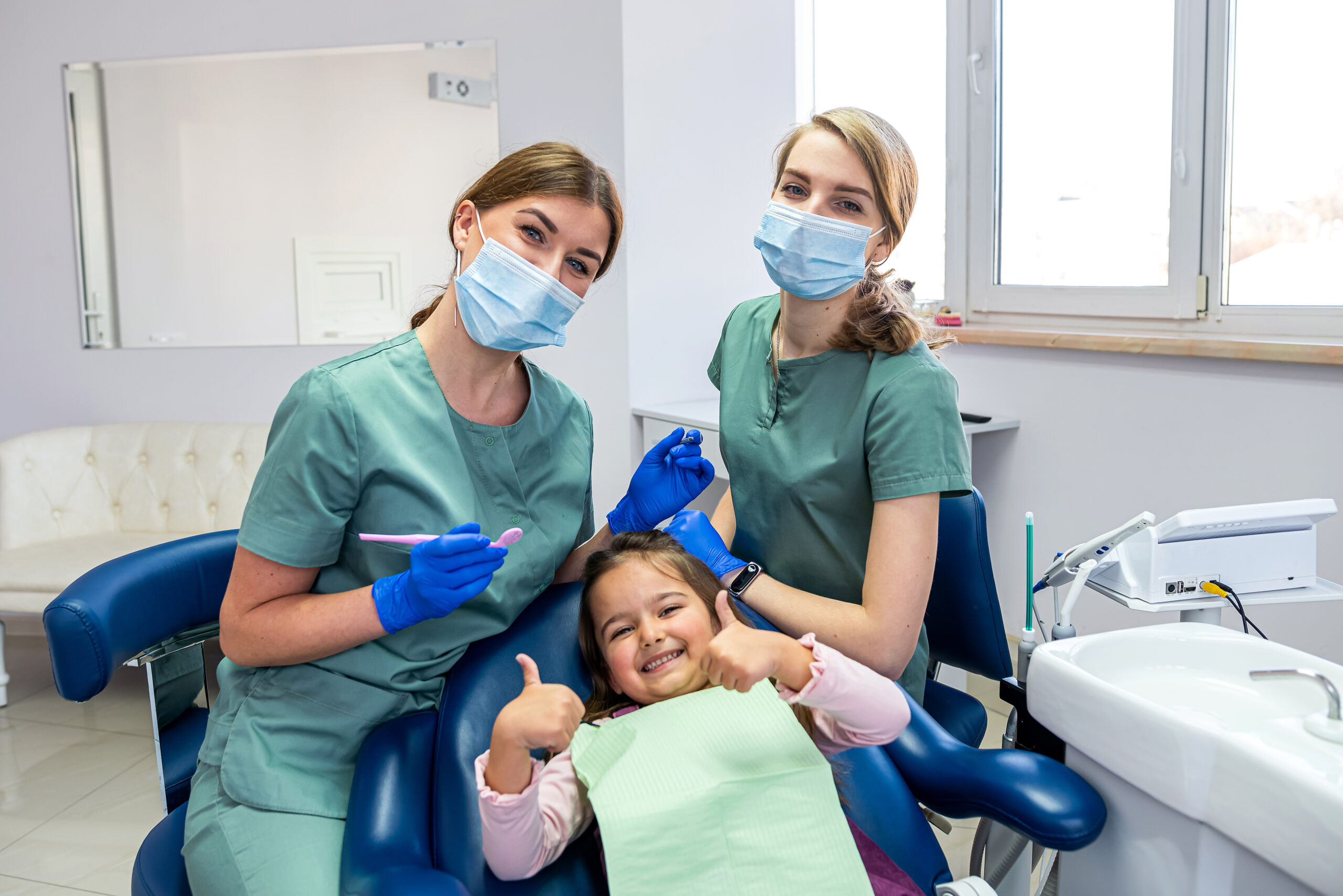
A trip to the dentist can bring on worry for any patient, but for someone with a sensory processing difference, an intellectual disability, or a medical condition that makes sitting still difficult, that worry can turn into a genuine barrier to care. Bright lights, unfamiliar sounds, and the feeling of instruments in the mouth can overwhelm a nervous system that already works hard to process the everyday world, and the result is often delayed treatment and a growing list of unmet dental needs.
At Serenity Valley Family Dentistry, we have built our approach around patience, communication, and a genuine willingness to slow down for the patients who need it most. For many individuals with special healthcare needs, sedation dentistry opens the door to care that might otherwise feel out of reach, and we want every family in our practice to understand how that option works.
Why Traditional Visits Can Be Difficult
Every patient experiences the dental chair differently, and for someone with autism spectrum disorder, ADHD, cerebral palsy, or a condition involving chronic pain, ordinary triggers can become significant obstacles. The whir of a handpiece, the taste of fluoride, or simply being asked to hold still for an extended cleaning can be enough to end a visit before it begins.
According to a best practice document from the American Academy of Pediatric Dentistry, patients with special health care needs are more likely to have unmet dental needs, and the more complex a patient’s health conditions, the greater that gap in care tends to become. We see this pattern often, and it reinforces why we treat behavior guidance and sedation planning as core parts of dentistry rather than an afterthought.
The Cost of Delayed Care
When routine visits are consistently missed or cut short, small issues can progress into cavities, gum disease, or infections that require more invasive treatment down the road. We would rather help a patient build comfort with our office now than watch a manageable problem become an emergency later.
How Sedation Dentistry Can Help
Sedation gives us a way to lower anxiety and physical discomfort so a patient can receive thorough care in a single visit instead of several partial ones. We select the appropriate level of sedation based on a conversation with the patient’s family, a review of medical history, and an understanding of what that specific individual finds most challenging about the dental setting.
We offer a few different approaches, each suited to different needs and comfort levels. We walk every family through these options before treatment so there are no surprises on the day of the appointment.
- Nitrous oxide: A mild, inhaled option that helps a patient relax while staying fully awake and responsive throughout treatment.
- Oral conscious sedation: A prescribed medication taken before the appointment that eases anxiety while keeping the patient conscious and cooperative.
- IV sedation: A deeper level of sedation delivered intravenously for patients who need more extensive treatment or who do not respond well to lighter options.
Whichever option fits best, our goal stays the same: a calm, safe visit that lets us complete necessary treatment without added trauma for the patient or their family.
What We Consider Before Recommending Sedation
We never treat sedation as a default. Before recommending any level of sedation, we consider the patient’s full medical history, current medications, prior experiences in medical or dental settings, and the specific treatment that needs to be completed. If we do recommend sedation, we work with a nurse anesthetist at Sleep Easy Anesthesia.
We also talk openly with parents, guardians, and caregivers about what to expect before, during, and after the appointment. That conversation often makes as much difference as the sedation itself, since families walk in feeling prepared rather than uncertain.
Building A Practice Where Every Patient Feels Comfortable
Beyond sedation itself, we try to reduce anxiety at every stage of the visit, from a quieter waiting area to a team that explains each step before it happens. Small adjustments, like allowing extra time for an appointment or letting a caregiver stay close by, can make a meaningful difference for a patient who feels more secure with a familiar routine.
We also coordinate with a patient’s other healthcare providers when needed, since a dentist working alongside a physician or therapist can plan treatment more safely for someone with a complex medical history. That kind of communication helps us build a dental home a family can return to with confidence year after year.
Care Serenity Valley Family Dentistry Is Ready To Provide
If dental visits have felt overwhelming for your loved one in the past, know that a calmer, more manageable experience is possible. Our team takes the time to understand each patient’s needs and build a sedation plan that fits their comfort level and their health history.
We would be glad to talk through your family’s specific situation and answer any questions about how sedation dentistry works. Reach out through our contact form to schedule a conversation with our team.