Serenity Valley Family Dentistry
Dental Bridges in Fargo, ND
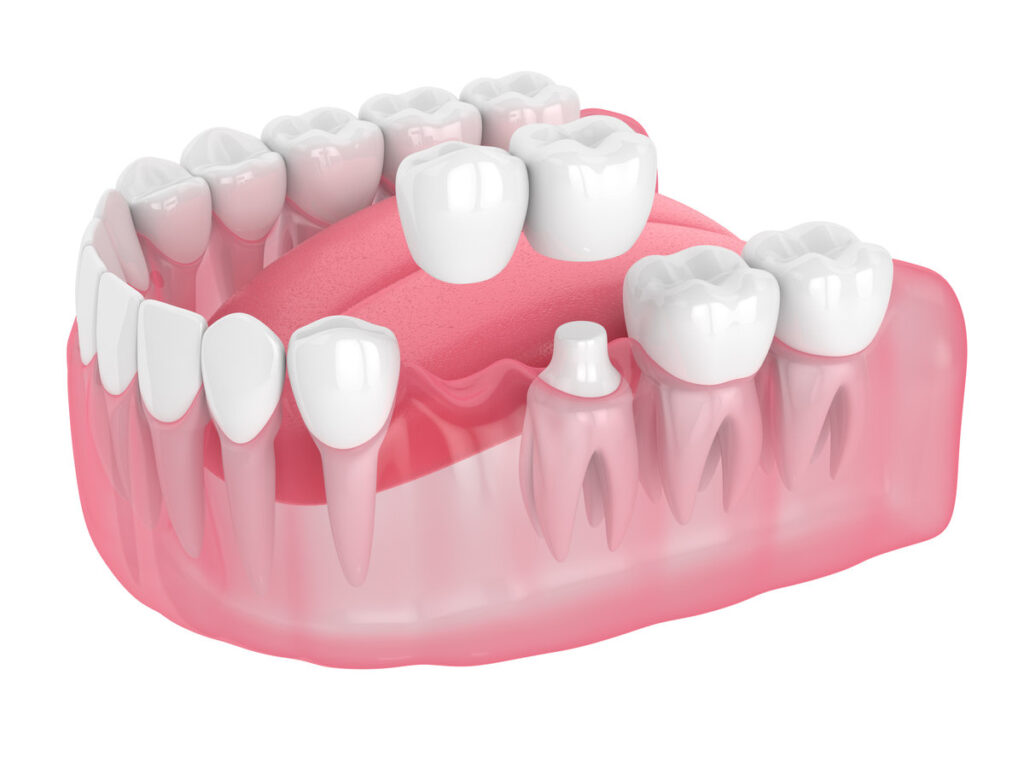
A gap where a tooth used to be tends to take up more mental space than its size suggests. You notice it when you smile in photos, when you chew on one side to avoid it, and when the neighboring teeth start drifting toward the empty space. Missing teeth are far more common than most people assume, and they touch a meaningful share of otherwise healthy mouths.
Replacing a missing tooth is about more than appearance, though a confident smile certainly counts. A well-made bridge restores your ability to bite and chew comfortably, keeps surrounding teeth from shifting, and supports the natural shape of your face. At Serenity Valley Family Dentistry in Fargo, we approach tooth replacement the same way we approach everything else, with a focus on conservative, long-lasting care that fits your specific situation. Our restorative dentistry services are designed to bring back full function while keeping your remaining teeth as healthy as possible.
What a Dental Bridge Does
A dental bridge literally bridges the gap created by one or more missing teeth. It consists of a replacement tooth, called a pontic, anchored in place by the teeth or implants on either side of the space. Once it is secured, a bridge restores your natural bite, distributes chewing forces evenly, and fills the visible gap so your smile looks complete again.
Tooth loss is widespread enough that solutions like bridges matter for a large portion of adults. According to the National Institute of Dental and Craniofacial Research, adults between the ages of 20 and 64 have an average of just 25.5 remaining permanent teeth out of a full set of 32. That gap between what we start with and what tends to remain is exactly the space a bridge is built to fill.
Bridges also serve a quieter, protective role. When a tooth is missing, and the space remains open, the adjacent teeth tend to tilt or migrate, and the opposing tooth can begin to over-erupt. These small shifts add up over time and can complicate future treatment. Addressing a gap sooner rather than later often keeps the situation simpler and more affordable down the road.
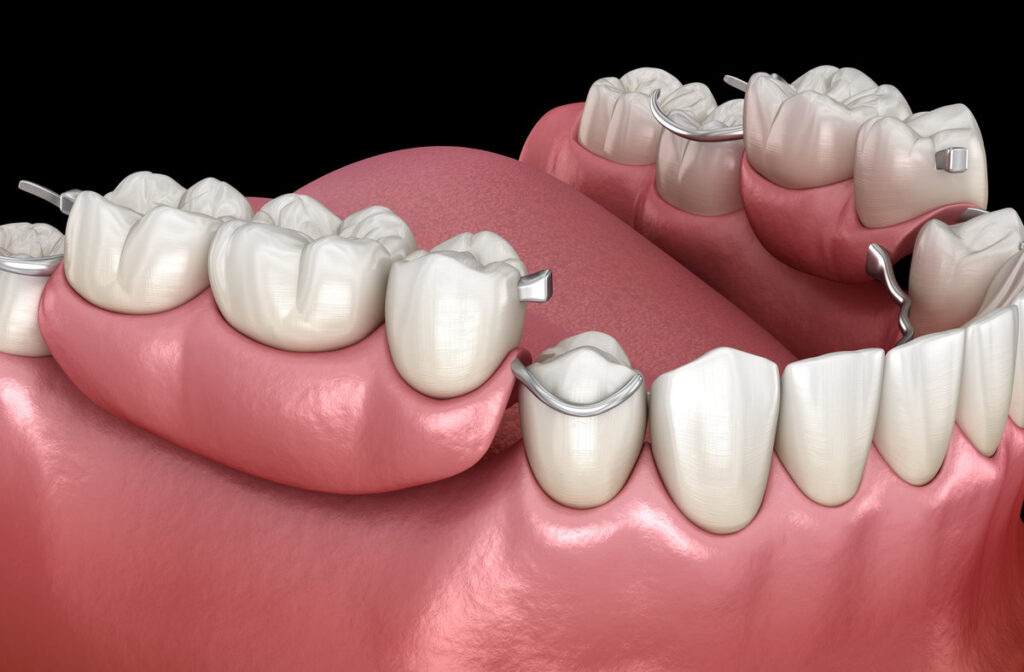
Traditional Bridges
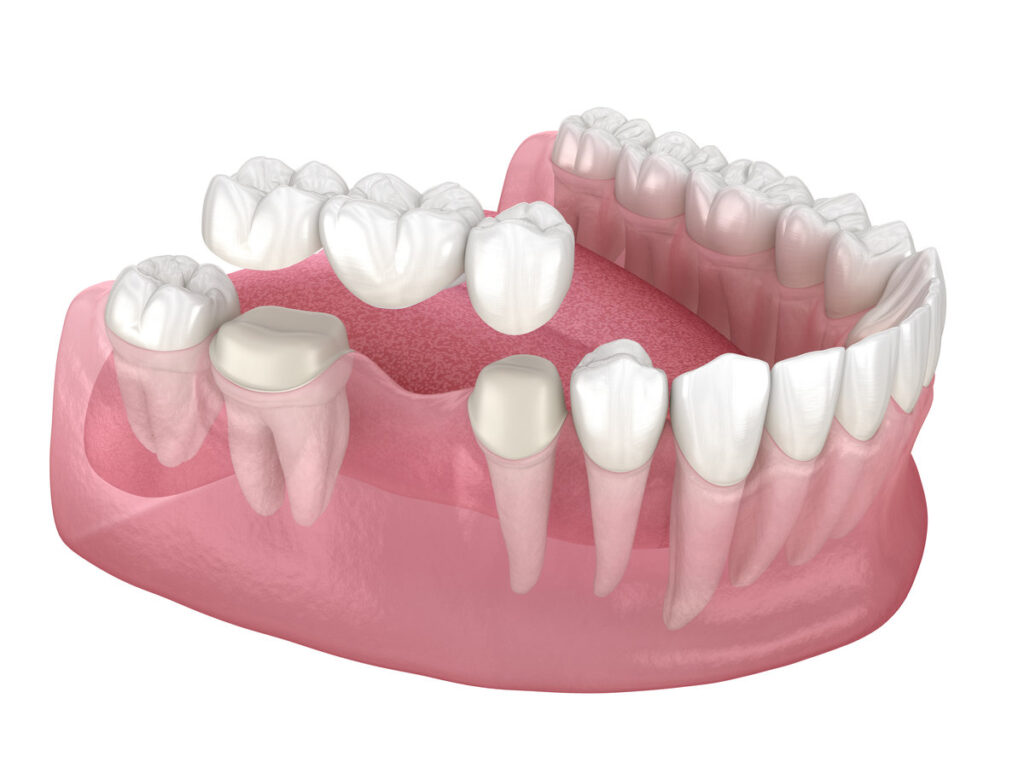
A traditional bridge is the most familiar option and remains an excellent solution for many patients. We shape the two healthy teeth on either side of the gap and place crowns over them, and those crowns hold the replacement tooth firmly in the middle. The result is a stable, fixed restoration that feels secure and looks natural.
This approach works especially well when the neighboring teeth are strong and could benefit from the added protection a crown provides. We craft each bridge to match the color and contour of your surrounding teeth, so it blends in rather than standing out. Many patients are surprised by how quickly a traditional bridge starts to feel like a normal part of their mouth.
For patients weighing their cosmetic choices alongside function, our cosmetic dentistry options can be coordinated with restorative work so the finished smile looks cohesive from front to back.
Implant-Supported Bridges
An implant-supported bridge anchors the replacement teeth to dental implants rather than to natural teeth. This option is often a strong fit when several consecutive teeth are missing, or when you would rather not alter the healthy teeth beside the gap. Because the bridge rests on implants placed in the jawbone, it offers excellent stability and helps preserve the bone in the area.
We want to be clear and upfront about how this works at our practice. We restore implant-supported bridges, meaning we design and place the final bridge that sits on top of the implants, but we do not perform the surgical placement of the implants themselves. We refer that step out to a trusted local oral surgeon and then coordinate closely with them so your care feels seamless from start to finish.
This collaborative model lets you benefit from a surgeon’s focused expertise during placement while keeping the restorative side. This part determines how your bite and smile turn out, in the hands of a team that knows your mouth well. We keep the lines of communication open throughout, so nothing falls through the cracks.
How to Care for Your Dental Bridge
A bridge can last many years with the right daily habits and regular professional care. Brushing twice a day, cleaning underneath the pontic with floss threaders or a water flosser, and keeping up with routine checkups all extend the life of your restoration. Our preventive dentistry visits give us a chance to monitor the bridge and the supporting teeth, so small issues get caught early.
Good home care also protects the investment you have made. The teeth and gums around a bridge are still vulnerable to decay and gum disease, so consistent attention is crucial. We are always happy to walk you through techniques tailored to your particular bridge during your appointments.
Bridge the Gap at Serenity Valley Family Dentistry
Whether a traditional bridge or an implant-supported option makes the most sense for you, the right choice starts with a thorough conversation and exam. You can learn more about the experienced clinicians who would guide your care by getting to know our team. We take the time to explain your options clearly so you can make a decision you feel good about.
If a missing tooth has been weighing on you, we would love to help you put it behind you. Reach out through our contact page to schedule a consultation, and we will help you find the tooth replacement solution that fits your smile, your goals, and your life here in the Fargo area.

Whatever you need
We Can Help with Your Sleep Disorder
Did you know that Obstructive Sleep Apnea (OSA) afflicts at least 25 million adults in the US—as many as 1 out of 5 adults. OSA is the end stage of a disease process called Sleep Disordered Breathing (SDB) which afflicts at least 80 million Americans, adults and children. Dentistry has a unique role to identify early signs of SDB and work with your sleep provider to stabilize and change the course of this disease.