
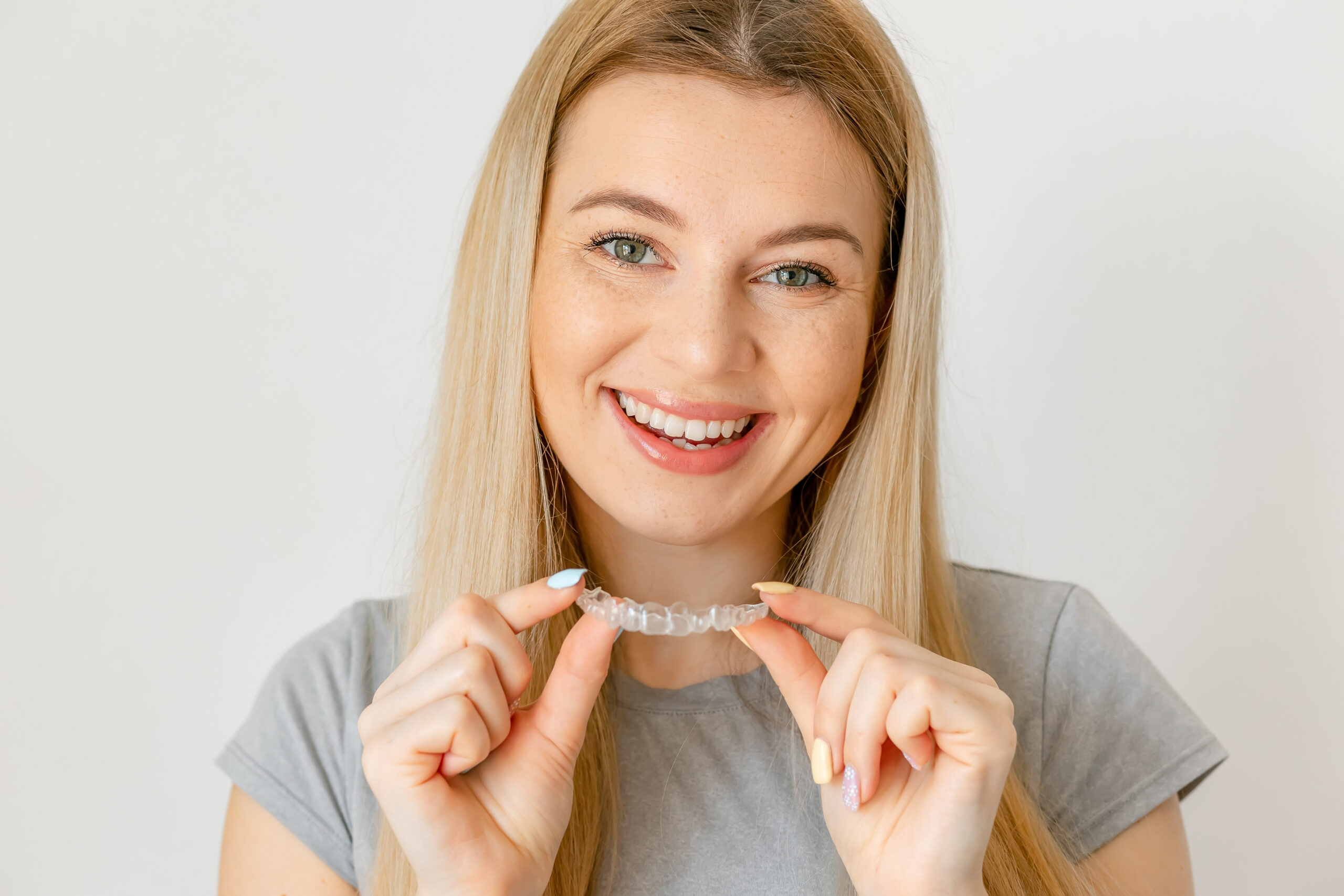
Snoring, daytime fatigue, and waking up feeling like you never slept are easy symptoms to brush off, especially when a bulky CPAP machine feels worse than the problem itself. Oral appliance therapy has become a popular alternative for people who want a smaller, quieter way to manage sleep apnea, but the dentist fitting that appliance matters just as much as the device. Not every dentist who offers a sleep appliance has completed formal training in dental sleep medicine, and that gap can affect how well your treatment actually works.
At Serenity Valley Family Dentistry, our approach to sleep dentistry is built around Dr. Shandra Rosenfeldt’s credentials with the American Academy of Dental Sleep Medicine, an organization that sleep physicians and patients look to when they need to confirm a provider has real training in treating sleep-disordered breathing. If you are trying to figure out whether a dentist’s sleep credentials are worth something, knowing what the AADSM actually requires is a good place to start.
What Is the AADSM?
The American Academy of Dental Sleep Medicine is the leading professional group representing dentists who treat snoring and obstructive sleep apnea with oral appliance therapy. The organization created a tiered system of credentials so referring physicians, insurers, and patients could tell the difference between a dentist who occasionally fits a sleep appliance and one who has gone through structured coursework, testing, and clinical review.
The AADSM recognizes providers at a few different levels, and knowing where a dentist falls can help you ask better questions before you start treatment.
- Qualified Dentist status, an entry-level credential that shows a dentist has completed introductory coursework in dental sleep medicine
- Diplomate status through the American Board of Dental Sleep Medicine, which requires passing a board examination and demonstrating clinical competency in oral appliance therapy
- Facility Accreditation, which recognizes an entire practice for meeting standards in patient care, recordkeeping, and coordination with sleep physicians
Each level builds on the one before it, and the credential a dentist holds says a lot about how much additional training they pursued after dental school.
Why Diplomate Status Matters
Dr. Rosenfeldt went through the full process to earn Diplomate status with the American Board of Dental Sleep Medicine, which meant completing coursework, logging clinical hours, and passing a board exam on top of her general dental training. Once she decided she wanted to treat adults with sleep apnea, she felt it was important to know the condition as thoroughly as possible before fitting a single appliance.
That training also connects to how our team approaches airway health across every age group. Dr. Rosenfeldt is affiliated with the Breathe Institute, a group that studies how tongue-tie, growth, and airway function affect one another, and she takes part in a study club of dentists worldwide who share research on dental sleep medicine. This gives us a broader view of how airway problems that start in childhood can carry into adulthood.
What This Means for Your Care
Those credentials show up in two clear ways once you are actually in the chair.
Recognizing the Real Signs of Sleep Apnea
One common misconception about sleep apnea is that it only affects older, overweight men who snore loudly. In reality, sleep apnea shows up in children, teenagers, thin adults, and women who may never snore at all. A 2022 review of research on obstructive sleep apnea found that the condition affects an estimated one in three men and nearly one in five women in the United States, and many cases go undiagnosed because the symptoms show up as fatigue, anxiety, or jaw discomfort rather than loud snoring.
Coordinated Care Beyond the Appliance
A dentist with AADSM credentials is trained to recognize these less obvious signs and coordinate care with your physician instead of treating a sleep appliance as a stand-alone fix. That coordination matters even more when jaw pain and TMJ symptoms overlap with sleep-disordered breathing, since the two conditions often need to be addressed together. We also use laser-assisted treatment alongside oral appliance therapy when TMJ symptoms are part of the picture, along with a whole-body approach that includes physical therapy.
Because we treat patients well beyond Fargo, some traveling more than two hours for an appointment, we want every visit to be worth the trip. Knowing your provider holds a credential built on coursework and testing, rather than a single weekend seminar, is one way to feel confident before starting treatment. If you have already tried a CPAP machine without success, it may help to see how oral appliance therapy compares to CPAP before deciding on your next step.
Serenity Valley Family Dentistry Offers Credentialed Sleep Apnea Care
Serenity Valley Family Dentistry has served the Fargo-Moorhead area since 2006, and Dr. Rosenfeldt’s education did not stop at dental school. Between AADSM Diplomate status, tongue-tie and airway training through the Breathe Institute, and ongoing collaboration with a global study club focused on dental sleep medicine, our approach to sleep apnea treatment is built on more than a single credential on a wall.
If you have questions about oral appliance therapy or want to know whether your symptoms could be connected to sleep apnea, we are happy to talk through your options and help you figure out the next step. Reach out through our contact form to schedule a conversation with our team.